Nanotyrannus Lancensis Dinosaur Skull Replica | Museum-Quality Fossil Reproduction
This is one of our newest items.
Nanotyrannus is a genus of tyrannosauroid dinosaur that lived in what is now western North America during the Maastrichtian age of the Late Cretaceous, 67 to 66 million years ago. Its controversial fossils are known from the Hell Creek Formation.
Why is this dinosaur so controversial?
The Nanotyrannus controversy was a long-standing debate over whether small, slender tyrannosaur fossils represented a juvenile Tyrannosaurus rex or a separate, adult species. A recent study from Nov. 2025 of the "dueling dinosaurs" fossil has provided strong evidence supporting Nanotyrannus as a distinct species, Nanotyrannus lancensis, based on its fully grown but smaller size, unique anatomical features, and a different growth pattern than a juvenile T. rex. This new research has challenged previous assumptions about the growth and ecological role of T. rex.
This highly detailed replica is hand-painted and mounted on a real european hardwood base.
This
It captures the awe and majesty of one of the most iconic predators of the Jurassic period — perfect for home decor, office displays, or as a unique gift for paleontology fans.
Every replica has a unique number and year handwritten under the base and is signed by the artist.
Product Details
• Replica Type: skull and neck bones reproduction
• Material: High-quality resin (museum-grade detail)
• Base: Premium finished wooden stand
• Finish: Hand-painted and weathered for realistic fossil texture
Dimensions:
following (HLW)
Weight:
around 2,5kg or 5.51 lb or 88.2 oz or 0.39 stone
Each piece is individually finished, ensuring that no two replicas are exactly alike — almost like in real fossils.
Perfect For:
• Dinosaur lovers & fossil enthusiasts
• Educational collections or displays
• Unique home or office décor
• Thoughtful gifts for paleontology fans
etc.
Color options:
All our sculptures, including this one, can be made in any fossil color for you at no extra charge.
We only use the best artists‘ colors and pigments and glaze in several thin layers to achieve a rich, realistic color spectrum. Many of my collectors tell me that the colors are unfortunately not shown correctly on the pictures and are much more brilliant in reality.
You can have it in brown, like seen on the pictures, black or ivory white (pictures following).
The colors of real fossils range from pitch black to snow white, dusty pink to pale yellow, light beige to dark red. About 90% of real fossils are red-brown because the fossils are formed by permineralization in iron-rich environments over thousands of years and under the pressure of sediments obove it, the bones become encased at the microscopic level in ferruginous minerals, giving them a dark, reddish-brown color. The sediments and groundwater in the immediate vicinity of the animal in which it was buried generally contain minerals of a range of colors. When the minerals of the surrounding material invade a buried bone and eventually overcoat—and in some cases replace—the original organic content, the now fossilized bone takes on the physical properties of those minerals, including color.
There are several possible ways to fossilization involving different types of minerals. It is the specific minerals that largely determine the final color of each fossil. Minerals around the world vary greatly in their physical properties: structure, hardness and luster.
In North America, many fossils contain phosphate, limestone, or iron. Phosphate typically produces black fossils and yellowish-gray fossils from limestone. However, many of them, particularly those of dinosaurs, are found in iron-rich areas, which generally produce the various shades of reddish-brown fossils seen in the museum.
___
Your sculpture will look like in the picture but can be a little bit different in details, because you get a unique piece made just for you, numbered and signed under the base by the artist. We´re making parts for our replicas all the time and finishing it according to your specifications.
The wooden base is made from European hardwood (FSC certified) and you can get it in three different color variants.
The possible base colors are (please see photos attached):
1. aged walnut brown (what you can see in the pictures)
2. ebonized black
3. natural oiled beechwood
Your sculpture will be made by order with only the best materials and art paints available. It´s a long process with multiple coats of oils, varnish and real chellac, that takes it time.
It will be shipped worldwide in a big box with lots of packing material.
By the way, things like cellphones, electric drill, banana, apple, chairs or tables in some of the pictures are just for size comparison and of course not part of your purchase.
Any other questions? Just ask!
Best wishes!
Timo
This is one of our newest items.
Nanotyrannus is a genus of tyrannosauroid dinosaur that lived in what is now western North America during the Maastrichtian age of the Late Cretaceous, 67 to 66 million years ago. Its controversial fossils are known from the Hell Creek Formation.
Why is this dinosaur so controversial?
The Nanotyrannus controversy was a long-standing debate over whether small, slender tyrannosaur fossils represented a juvenile Tyrannosaurus rex or a separate, adult species. A recent study from Nov. 2025 of the "dueling dinosaurs" fossil has provided strong evidence supporting Nanotyrannus as a distinct species, Nanotyrannus lancensis, based on its fully grown but smaller size, unique anatomical features, and a different growth pattern than a juvenile T. rex. This new research has challenged previous assumptions about the growth and ecological role of T. rex.
This highly detailed replica is hand-painted and mounted on a real european hardwood base.
This
It captures the awe and majesty of one of the most iconic predators of the Jurassic period — perfect for home decor, office displays, or as a unique gift for paleontology fans.
Every replica has a unique number and year handwritten under the base and is signed by the artist.
Product Details
• Replica Type: skull and neck bones reproduction
• Material: High-quality resin (museum-grade detail)
• Base: Premium finished wooden stand
• Finish: Hand-painted and weathered for realistic fossil texture
Dimensions:
following (HLW)
Weight:
around 2,5kg or 5.51 lb or 88.2 oz or 0.39 stone
Each piece is individually finished, ensuring that no two replicas are exactly alike — almost like in real fossils.
Perfect For:
• Dinosaur lovers & fossil enthusiasts
• Educational collections or displays
• Unique home or office décor
• Thoughtful gifts for paleontology fans
etc.
Color options:
All our sculptures, including this one, can be made in any fossil color for you at no extra charge.
We only use the best artists‘ colors and pigments and glaze in several thin layers to achieve a rich, realistic color spectrum. Many of my collectors tell me that the colors are unfortunately not shown correctly on the pictures and are much more brilliant in reality.
You can have it in brown, like seen on the pictures, black or ivory white (pictures following).
The colors of real fossils range from pitch black to snow white, dusty pink to pale yellow, light beige to dark red. About 90% of real fossils are red-brown because the fossils are formed by permineralization in iron-rich environments over thousands of years and under the pressure of sediments obove it, the bones become encased at the microscopic level in ferruginous minerals, giving them a dark, reddish-brown color. The sediments and groundwater in the immediate vicinity of the animal in which it was buried generally contain minerals of a range of colors. When the minerals of the surrounding material invade a buried bone and eventually overcoat—and in some cases replace—the original organic content, the now fossilized bone takes on the physical properties of those minerals, including color.
There are several possible ways to fossilization involving different types of minerals. It is the specific minerals that largely determine the final color of each fossil. Minerals around the world vary greatly in their physical properties: structure, hardness and luster.
In North America, many fossils contain phosphate, limestone, or iron. Phosphate typically produces black fossils and yellowish-gray fossils from limestone. However, many of them, particularly those of dinosaurs, are found in iron-rich areas, which generally produce the various shades of reddish-brown fossils seen in the museum.
___
Your sculpture will look like in the picture but can be a little bit different in details, because you get a unique piece made just for you, numbered and signed under the base by the artist. We´re making parts for our replicas all the time and finishing it according to your specifications.
The wooden base is made from European hardwood (FSC certified) and you can get it in three different color variants.
The possible base colors are (please see photos attached):
1. aged walnut brown (what you can see in the pictures)
2. ebonized black
3. natural oiled beechwood
Your sculpture will be made by order with only the best materials and art paints available. It´s a long process with multiple coats of oils, varnish and real chellac, that takes it time.
It will be shipped worldwide in a big box with lots of packing material.
By the way, things like cellphones, electric drill, banana, apple, chairs or tables in some of the pictures are just for size comparison and of course not part of your purchase.
Any other questions? Just ask!
Best wishes!
Timo


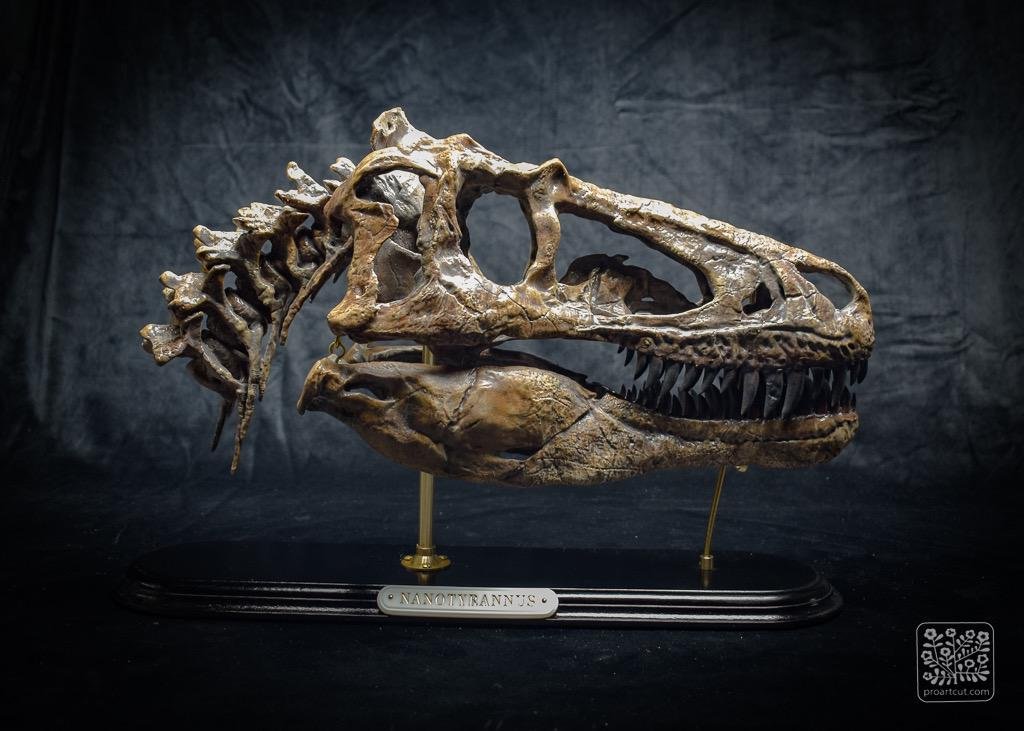 Image 1 of 20
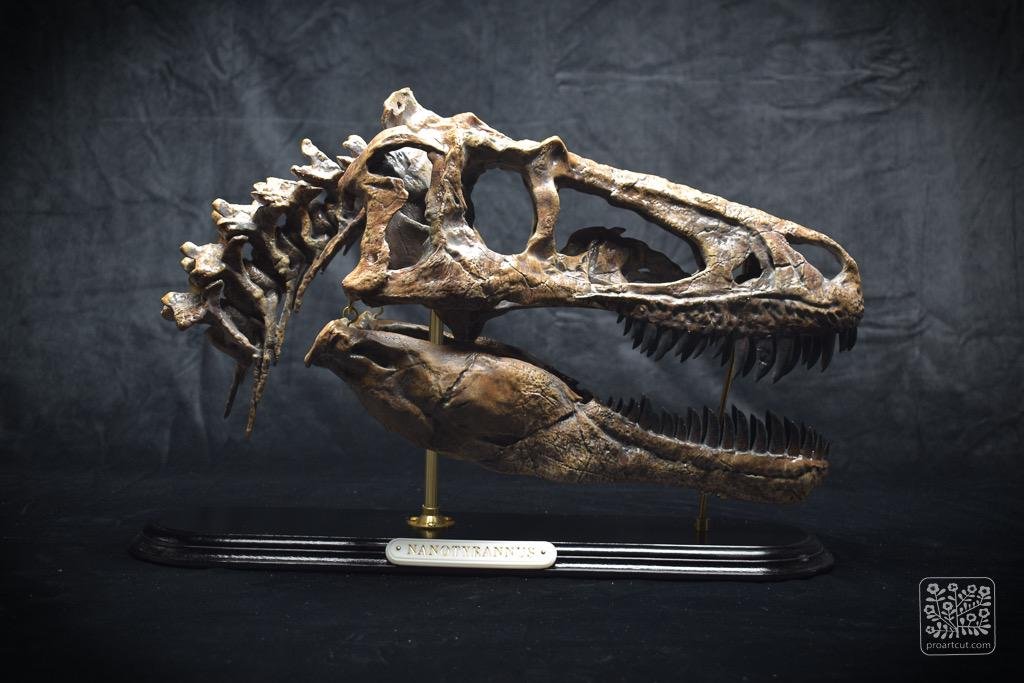 Image 2 of 20
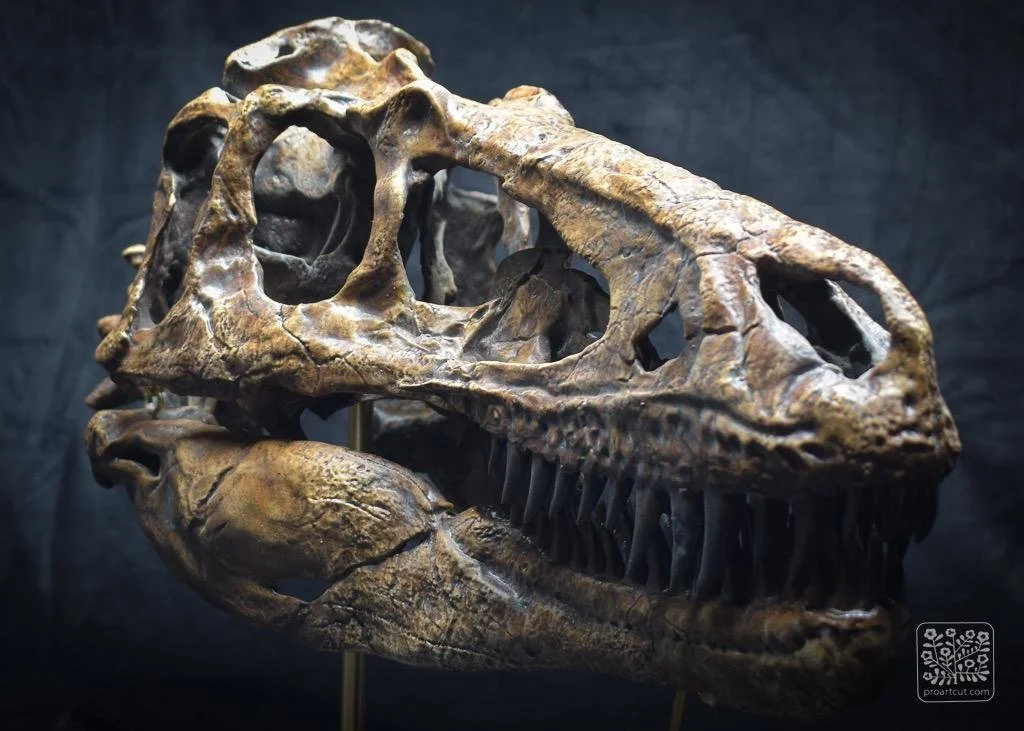 Image 3 of 20
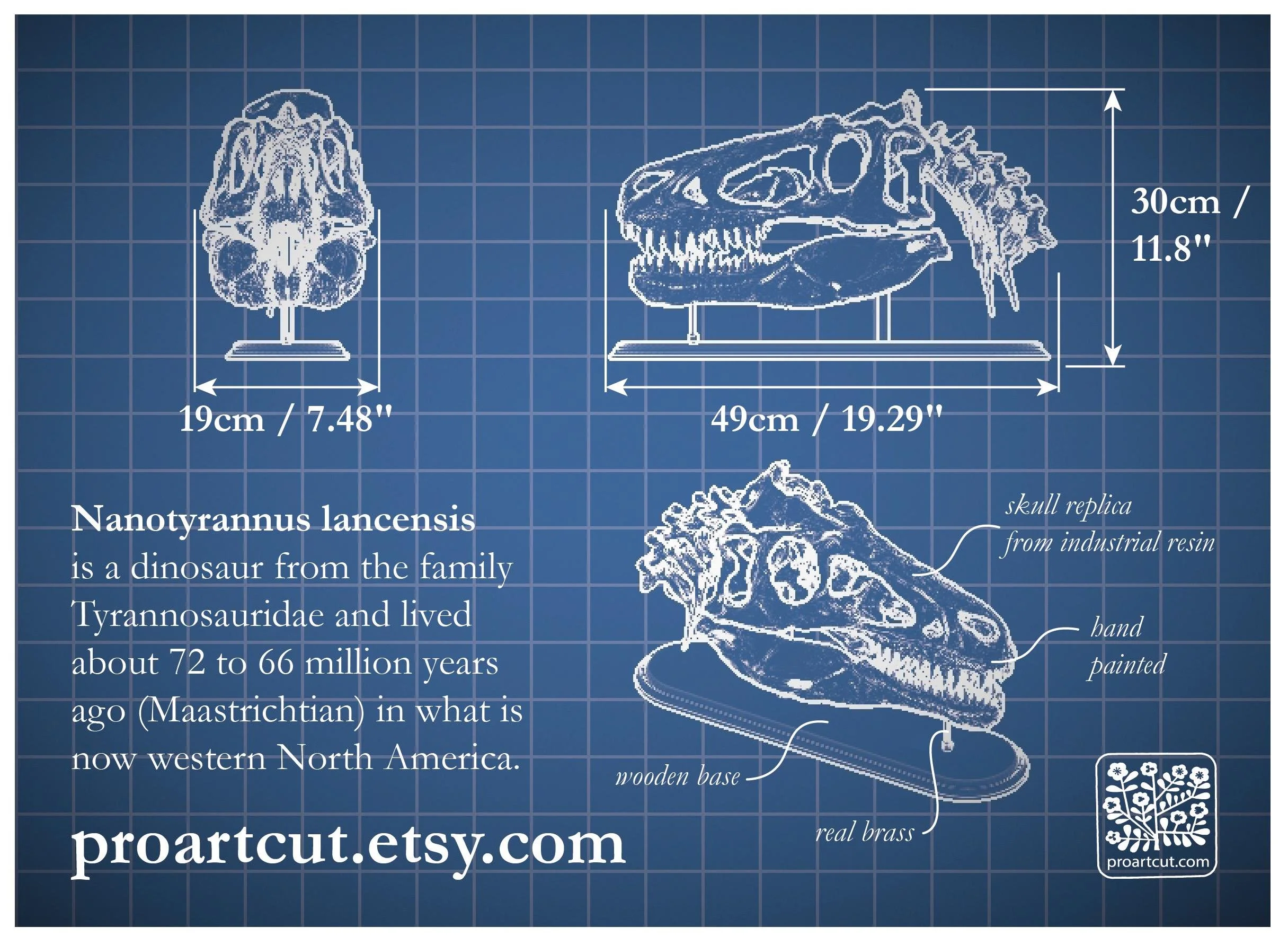 Image 4 of 20
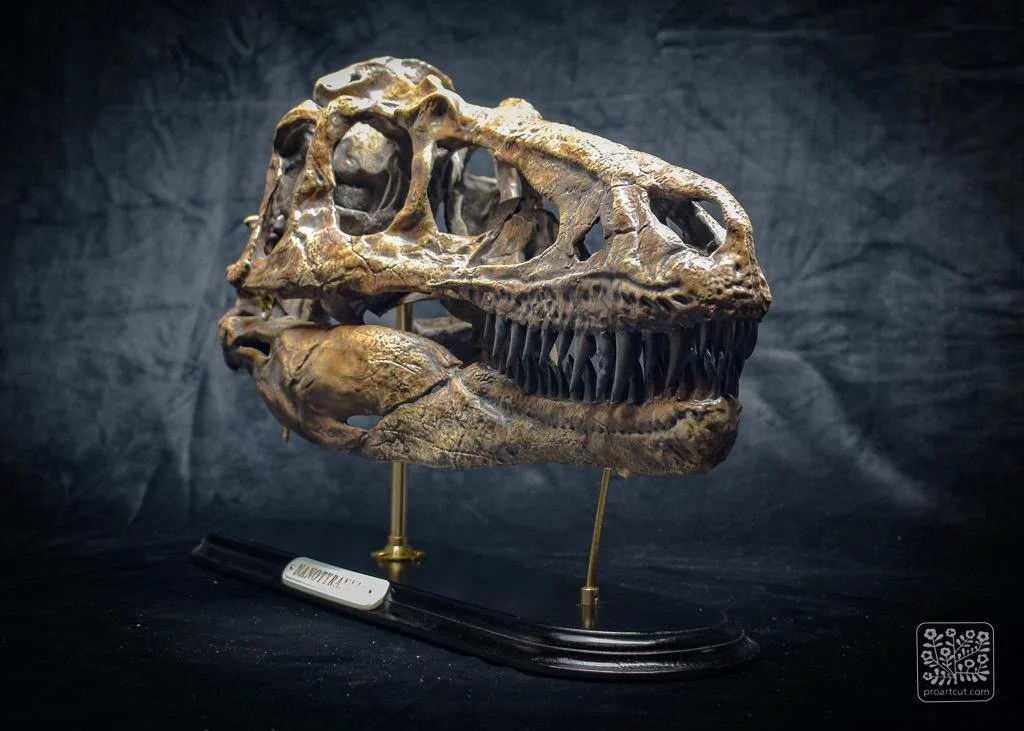 Image 5 of 20
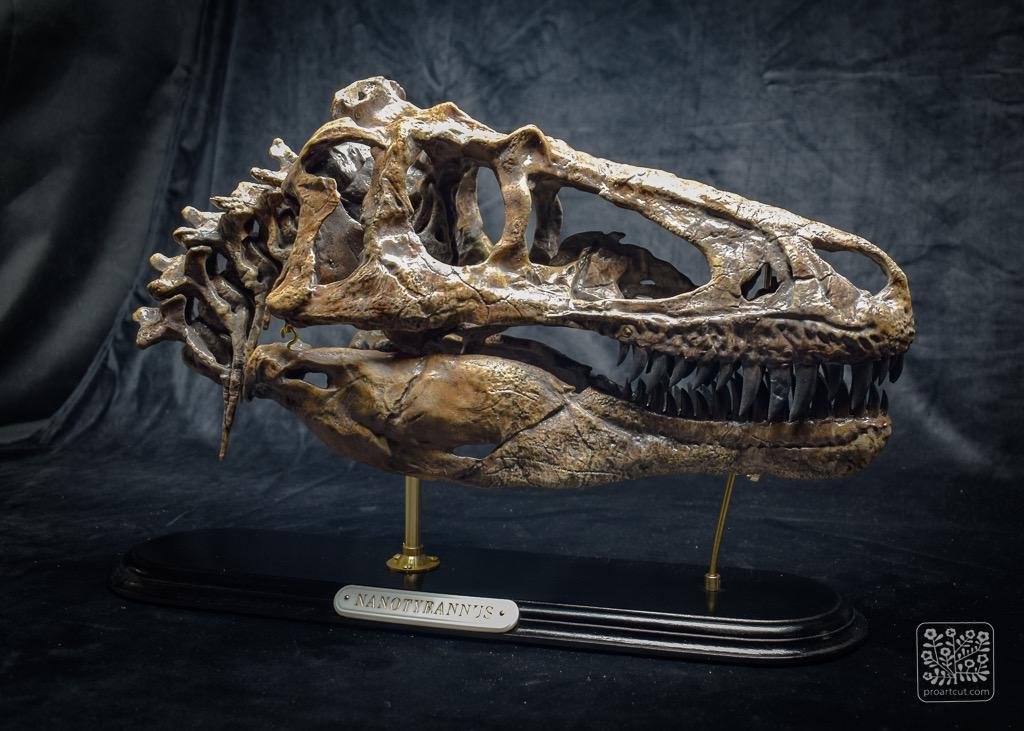 Image 6 of 20
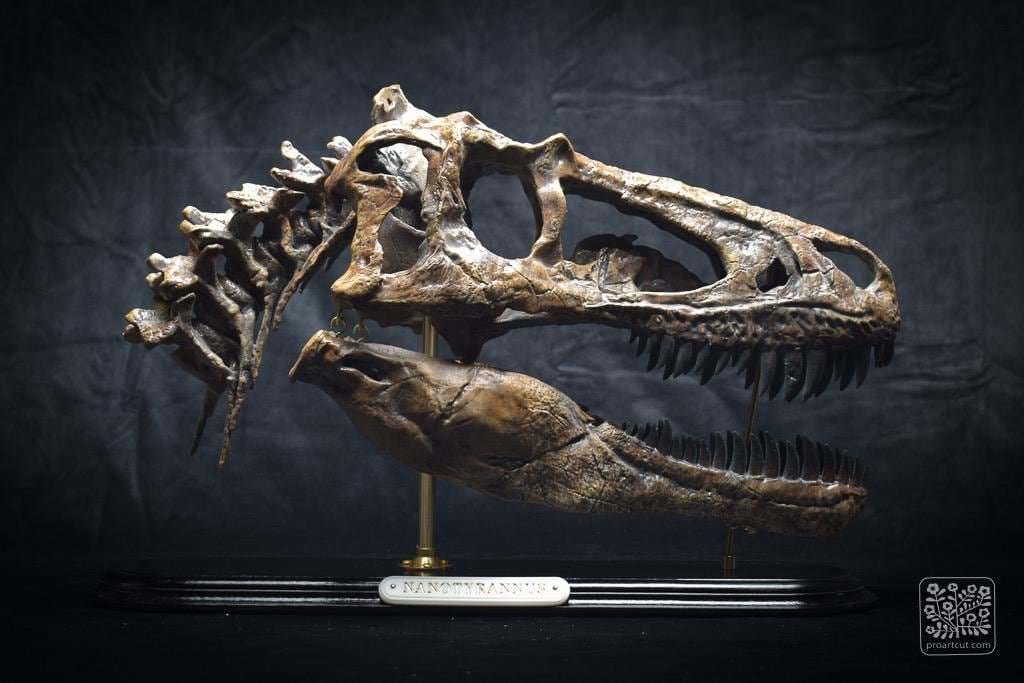 Image 7 of 20
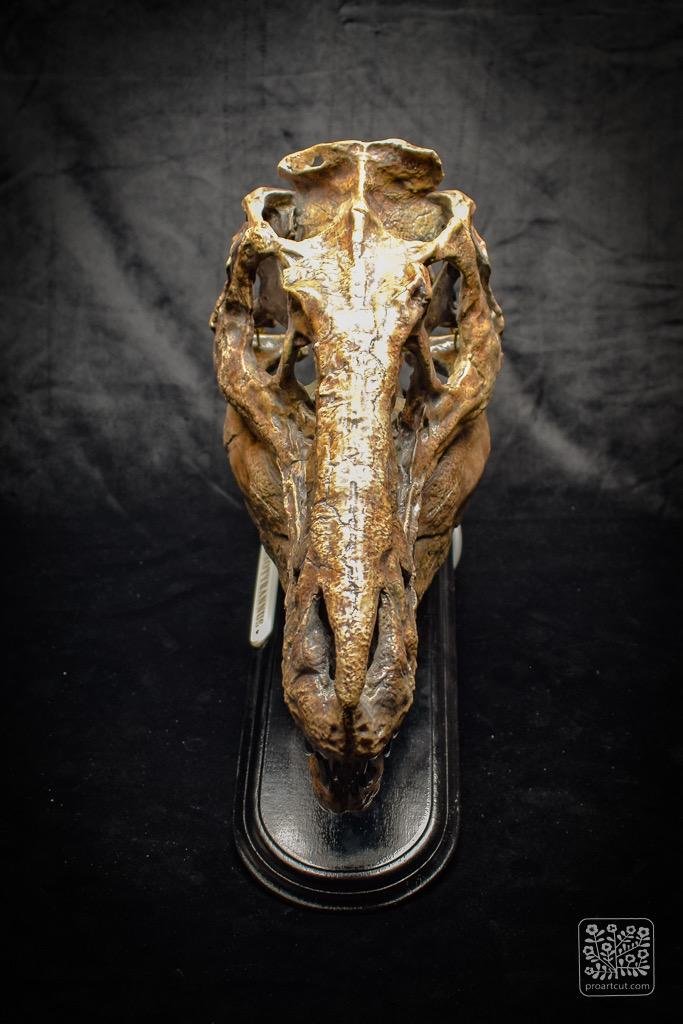 Image 8 of 20
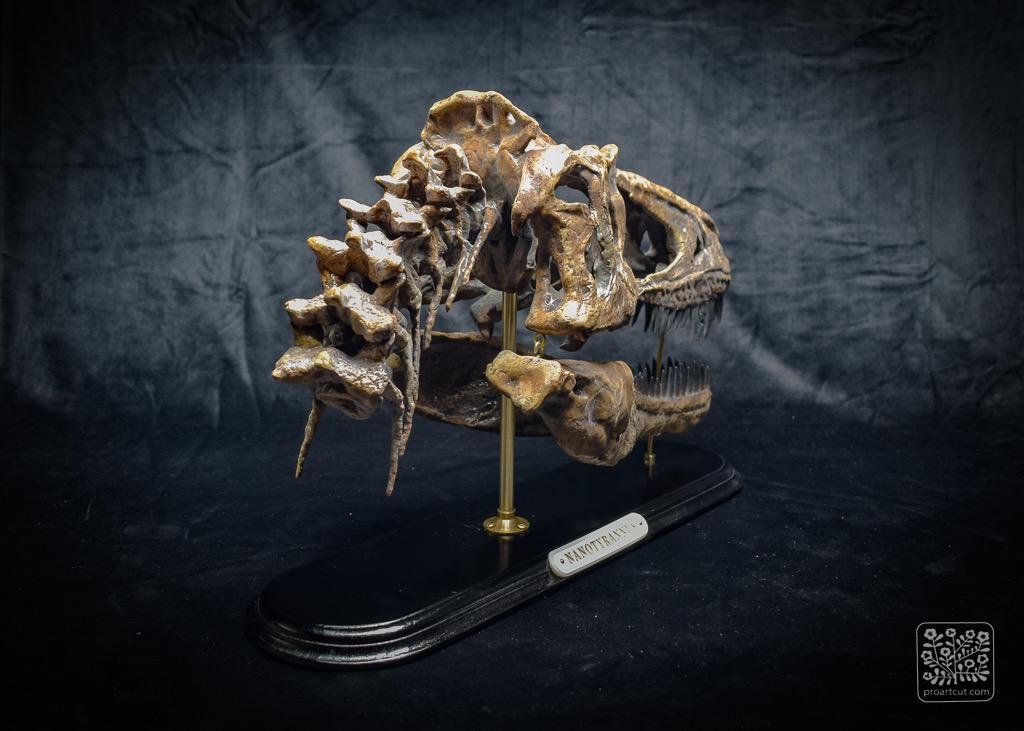 Image 9 of 20
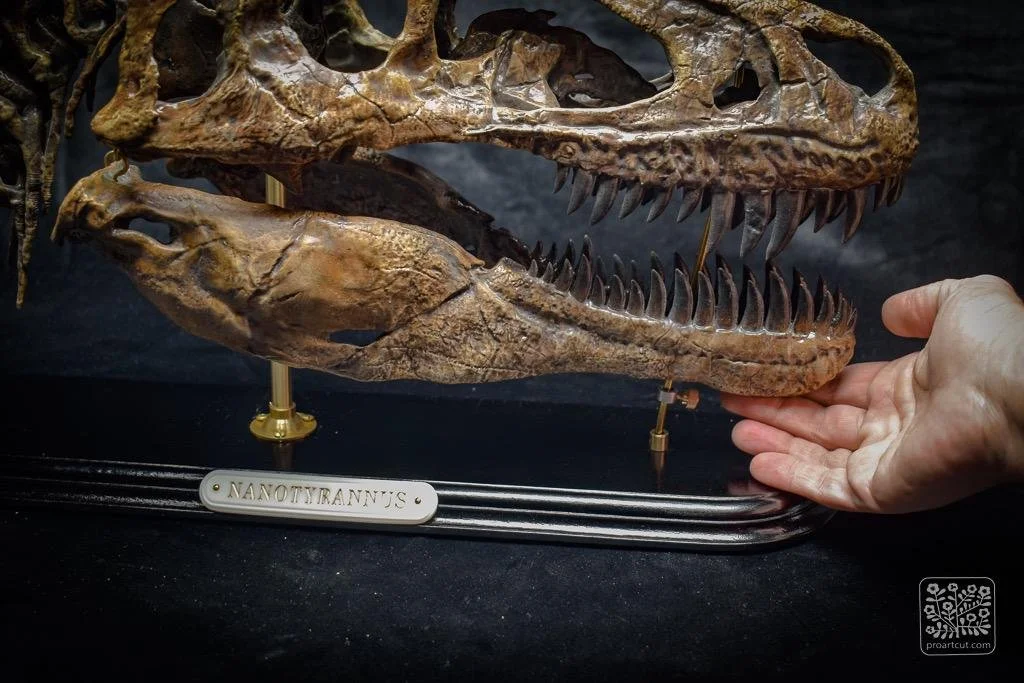 Image 10 of 20
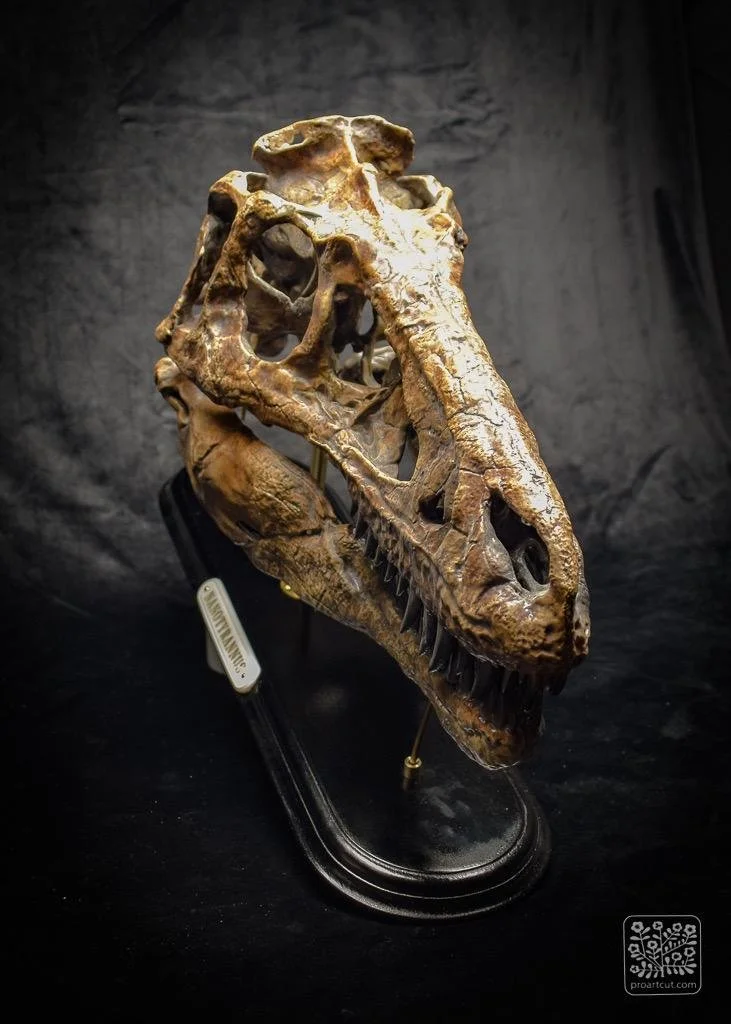 Image 11 of 20
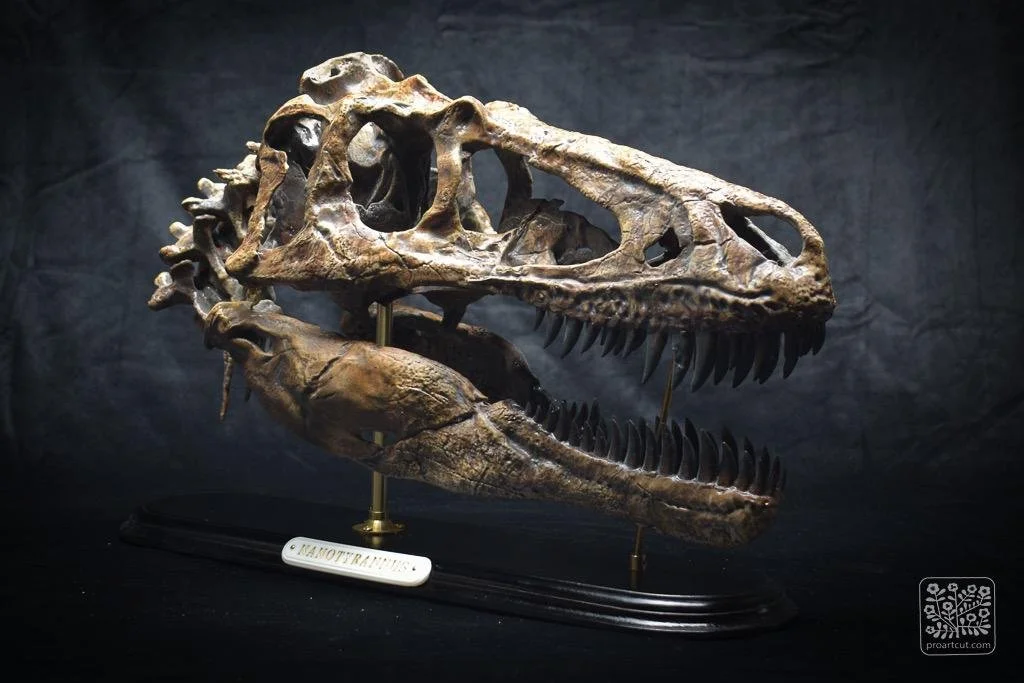 Image 12 of 20
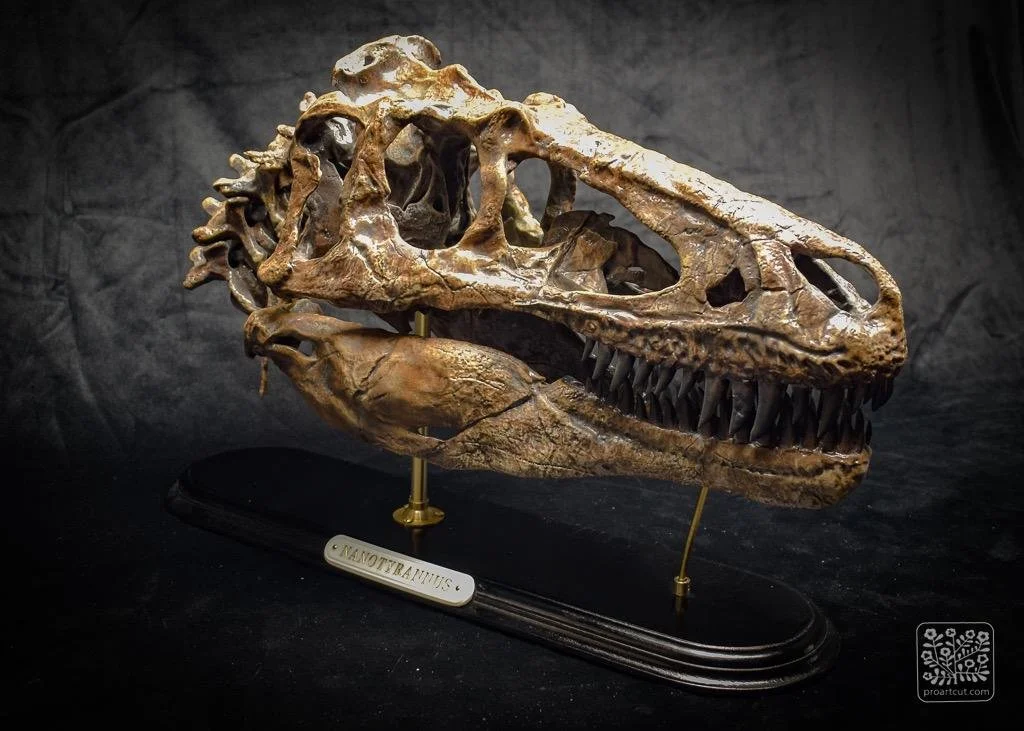 Image 13 of 20
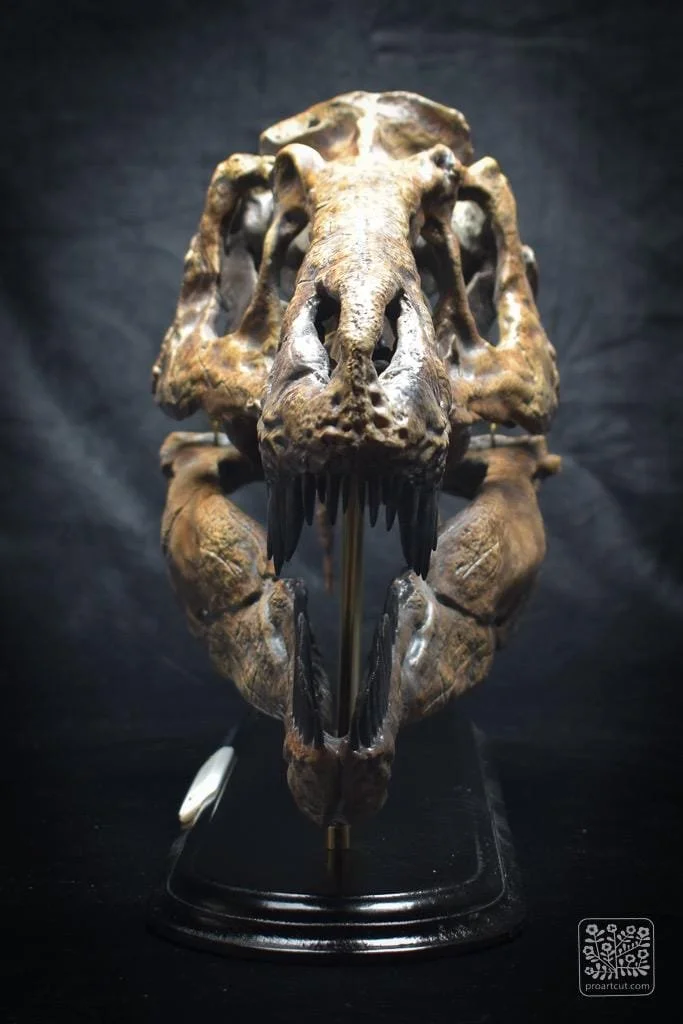 Image 14 of 20
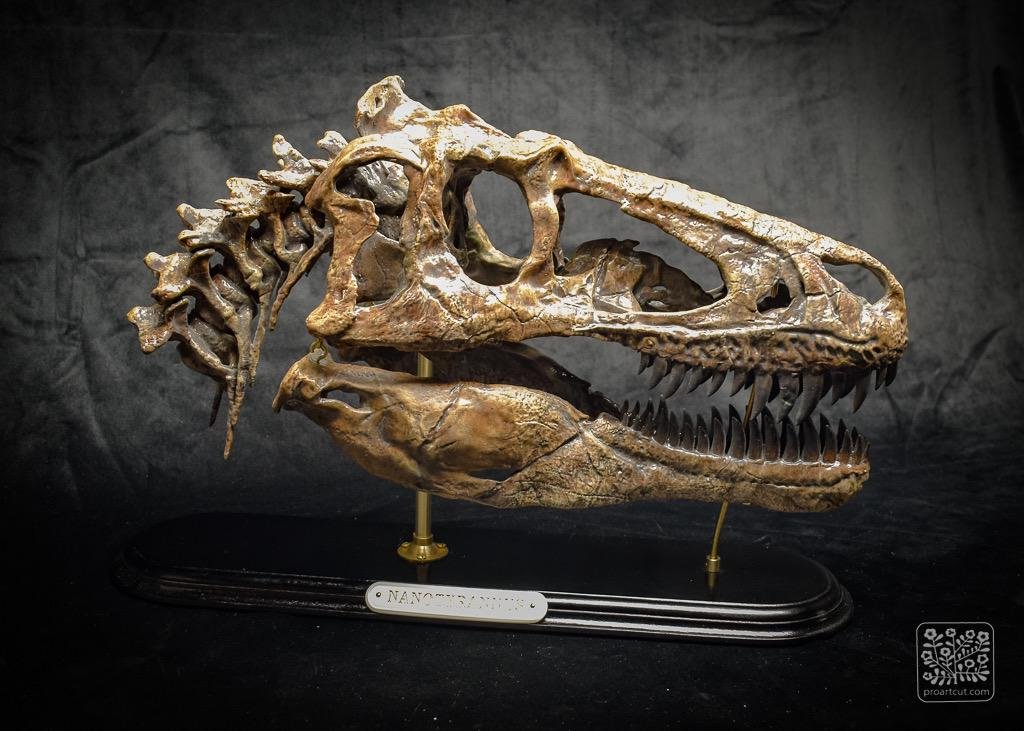 Image 15 of 20
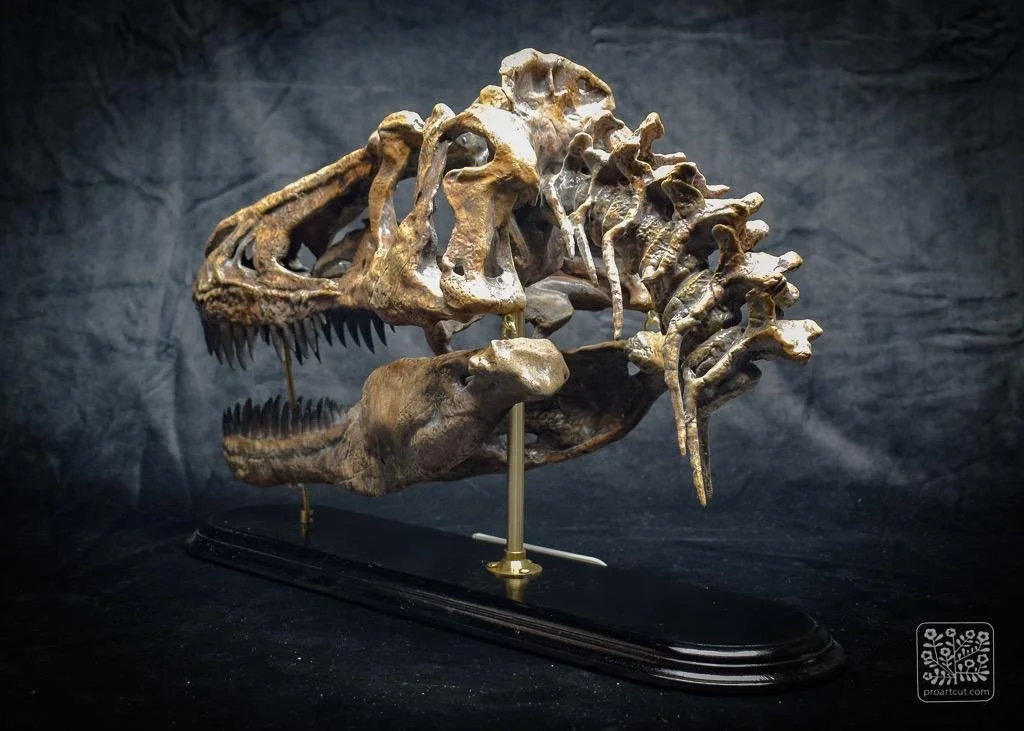 Image 16 of 20
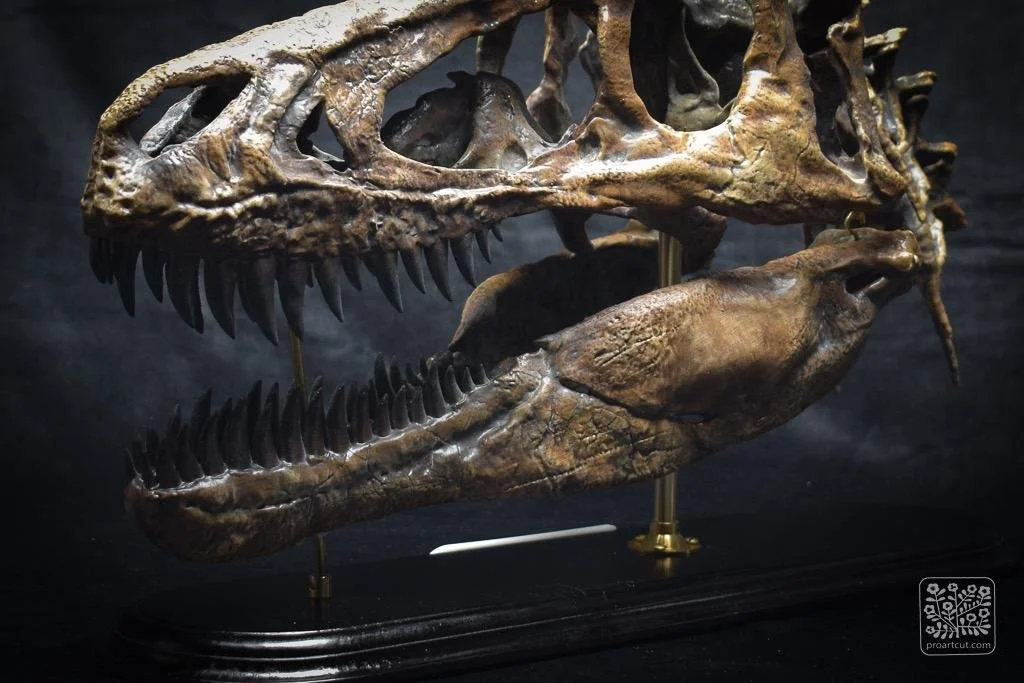 Image 17 of 20
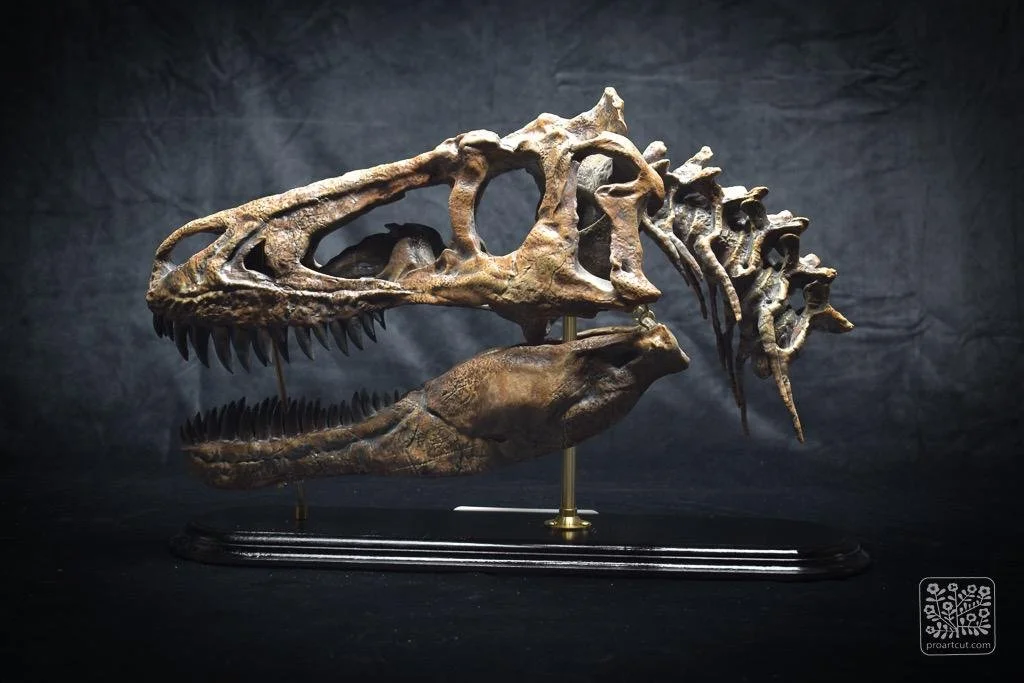 Image 18 of 20
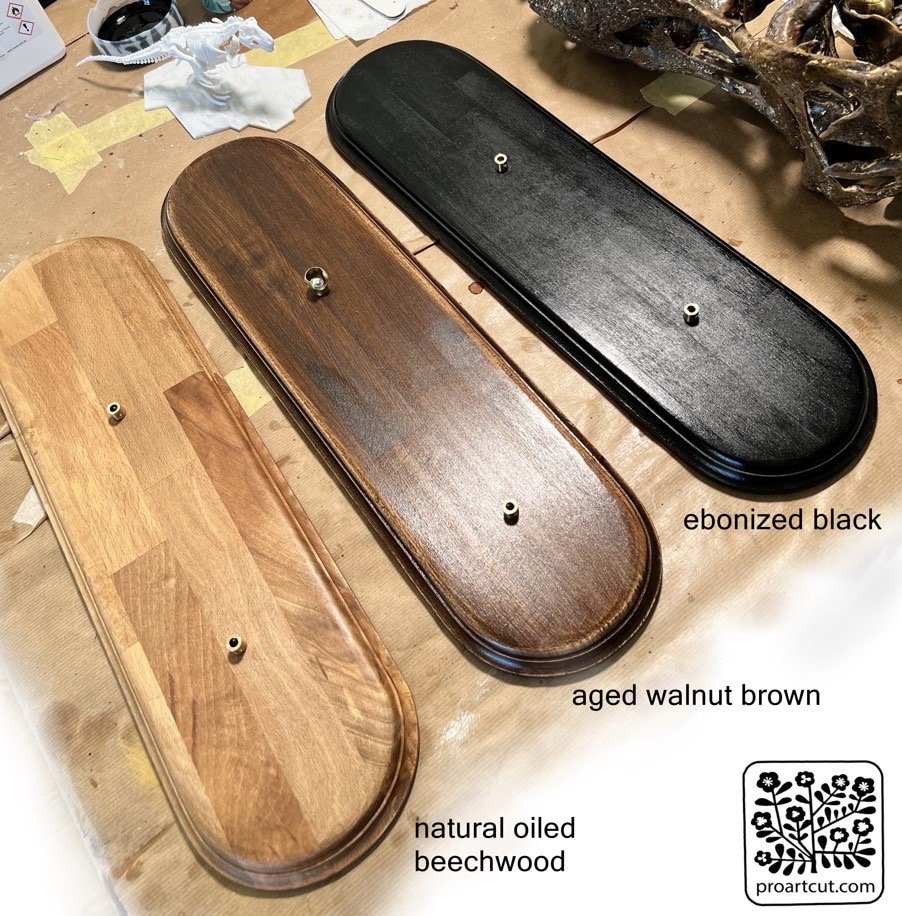 Image 19 of 20
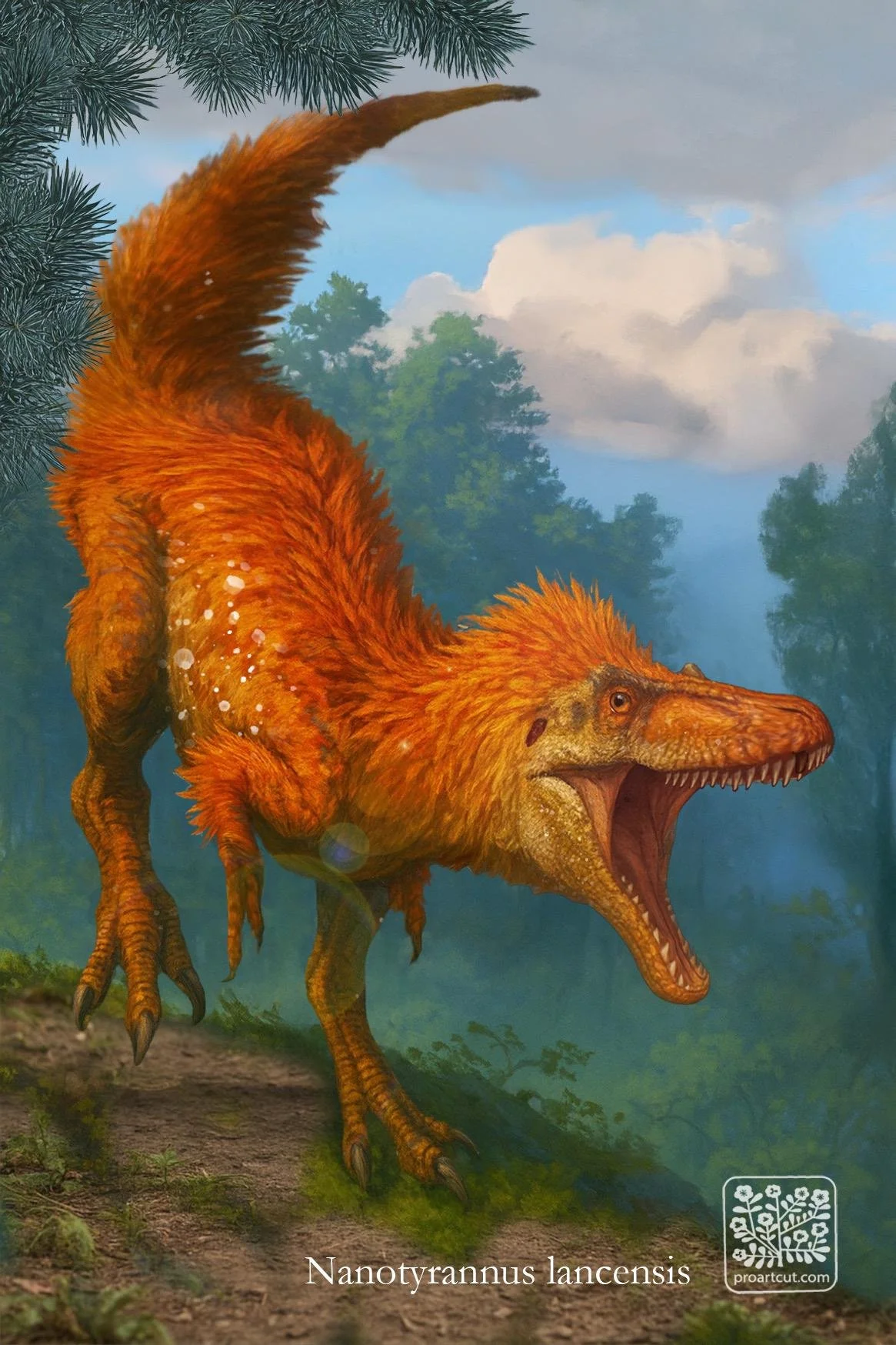 Image 20 of 20